
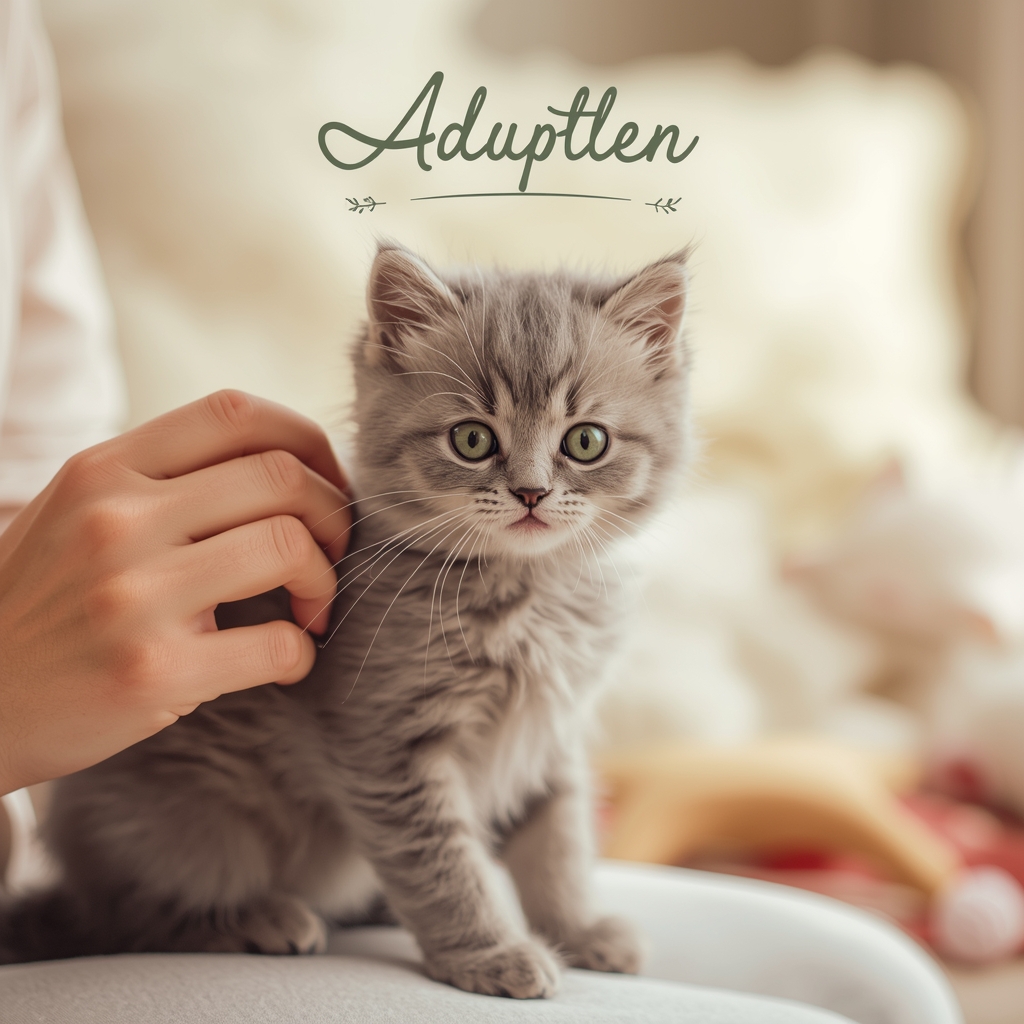
I’ll never forget the day I walked into the shelter. The plan was simple: just look. Maybe think about adopting… someday. Three hours later, I was driving home with a tiny calico who purred so loudly I thought something was wrong with her engine.
That was eight years ago. Luna is now the queen of my household, and I’ve since adopted two more cats. Here’s what I’ve learned: adopting a kitten isn’t just about saving a life (though you are). It’s about finding a companion who fits your life in ways you never expected.
Let me tell you why adopting a kitten from a shelter is one of the best decisions you can make.
You’re Saving More Than One Life
Here’s the truth that changed my perspective: when you adopt a kitten, you’re not just saving that kitten. You’re making space in the shelter for another kitten to be rescued.
Most shelters operate at or over capacity. Every adoption frees resources—food, medical care, staff attention—for the next stray or surrendered kitten who needs help. Your adoption is a domino effect of good.
And those kittens? Many of them face bleak futures. Thousands are euthanized daily simply because there’s nowhere for them to go. When you adopt, you become part of the solution.
Personality You Can See
Shelter kittens are old enough to show their true colors—literally and figuratively. Unlike newborn kittens, who are still developing their personalities, shelter kittens (typically 8+ weeks) already show signs of:
- Play style: Are they rough-and-tumble hunters or gentle observers?
- Social preferences: Do they approach strangers or observe from a distance?
- Energy levels: Marathon players or couch potatoes in training?
- Handling tolerance: Lap cats or independent spirits?
Shelter staff know these kittens. They can guide you to a kitten whose personality matches your lifestyle. Want a calm companion for your quiet apartment? They know which kittens prefer gentle play. Have kids who need an energetic playmate? They’ll point you to the social butterflies.
Skip the Litter Box Drama
Here’s a secret most people don’t know: shelter kittens often arrive litter-trained. They’ve lived in cages or foster homes where consistent litter box use was expected and reinforced.
Compare that to an 8-week-old kitten from a backyard situation who has never seen a litter box. You’re weeks ahead on one of the most frustrating aspects of cat ownership.
Health Checks Are Done
Reputable shelters don’t just hand over kittens. They:
- Vaccinate for common diseases
- Deworm (kittens almost always have parasites)
- Treat any existing health issues
- Spay or neuter before adoption
- Microchip for identification
- Test for FeLV and FIV (in many cases)
That initial vet work? It often costs $300-500 if you pay out of pocket. Adoption fees ($50-150 typically) are a bargain—and they support the shelter’s work.
The Bond Is Extraordinary
There’s something special about shelter kittens. Maybe it’s gratitude. Maybe it’s that they remember being cold, hungry, or scared. Or maybe it’s just that they’ve known kindness from humans and want more of it.
My Luna follows me room to room. She sleeps on my pillow. When I’m sad, she somehow knows and insists on being in my lap. I’ve had purebred cats from breeders, and I’ve had shelter cats. The bond with my shelter cats is different—deeper somehow.
Skip the Kitten Crazy Phase
Very young kittens are adorable, but they’re also tiny hurricanes. They bite everything. They climb curtains. They wake you at 3 AM for play. They have accidents.
Shelter kittens are typically 8-16 weeks—past the most intense newborn phase but still plenty kittenish for fun. You get the playful energy without the extreme destructiveness of 4-week-old kittens.
You’re Fighting Cruel Industries
Every adoption is a vote against kitten mills and unethical breeders. These operations prioritize profit over animal welfare, producing sick, poorly socialized kittens in horrific conditions. By adopting, you reduce demand for their products.
And no, shelter kittens aren’t “damaged goods.” They’re normal kittens who had bad luck. Many are surrendered because owners moved, had allergies, or simply didn’t want the responsibility. The kittens aren’t broken—they’re just looking for a second chance.
The Stories You’ll Tell
Every adopted kitten comes with a story. Some were found in dumpsters. Some were surrendered by owners who couldn’t care for them. Some were born in foster homes after their pregnant mothers were rescued.
These stories become part of your family’s lore. My kids grew up hearing how Luna was found in a cardboard box behind a grocery store. They understand, in a concrete way, why we spay and neuter, why we support shelters, and why every animal deserves a chance.
Adopting teaches compassion in ways that words never could.
Ready to Meet Your Match?
Visit your local shelter. Spend time in the kitten room. Let a few kittens climb on you. Ask the staff questions. Take your time—this is a 15-20 year commitment.
The right kitten will choose you. You’ll know. And years from now, you’ll look at your sleeping cat and marvel that you almost didn’t walk into that shelter.
Adopt. You won’t regret it for a single moment.

Leave a comment