
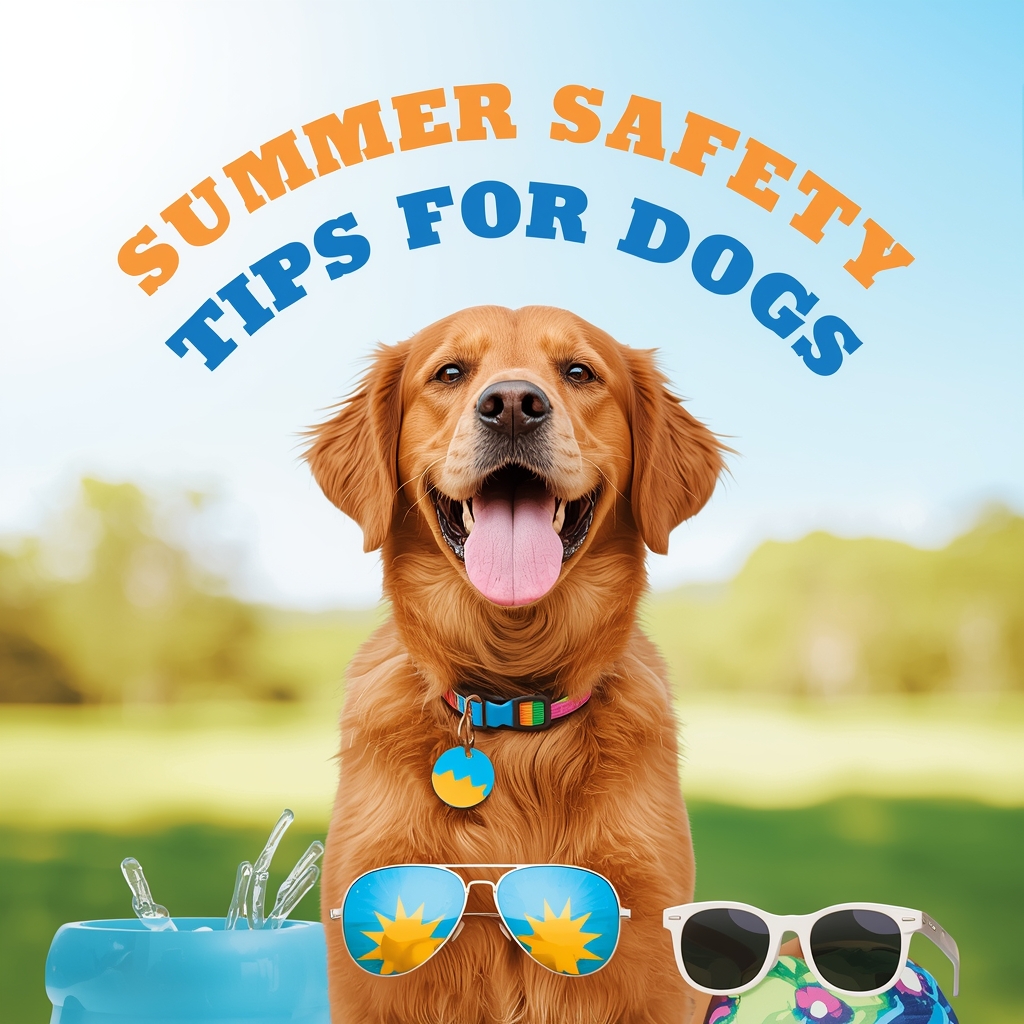
I learned about heatstroke the hard way. Not with my own dog—thankfully—but with a client’s. I was a veterinary assistant, and they brought in their Golden Retriever who had collapsed after a morning hike. It was only 78 degrees. They thought they were being safe.
The dog survived, barely. Three days in ICU, thousands of dollars, and permanent kidney damage. All because 78 degrees with humidity feels very different to a dog than it does to us.
Here’s what you need to know to keep your dog safe when temperatures rise.
Understanding Heatstroke in Dogs
Dogs don’t sweat like humans. They have minimal sweat glands (only on paw pads) and cool themselves primarily through panting. When ambient temperature and humidity make panting ineffective, their body temperature rises dangerously.
Heatstroke occurs when body temperature exceeds 103°F. At 106°F, cellular damage begins. At 109°F, multiple organ failure is likely. Without rapid intervention, heatstroke kills.
Certain dogs are higher risk:
- Brachycephalic breeds (Bulldogs, Pugs, Boxers, Boston Terriers)
- Thick-coated breeds (Huskies, Malamutes, Newfoundlands)
- Overweight or obese dogs
- Senior dogs and puppies
- Dogs with heart or respiratory conditions
- Dogs on certain medications
The Temperature Reality Check
Here’s what air temperatures feel like to your dog’s paws and body:
| Air Temp | Asphalt Temp | Risk Level |
|---|---|---|
| 77°F | 125°F | Paw damage in 60 seconds |
| 86°F | 135°F | Paw damage in 30 seconds |
| 87°F | 143°F | Paw damage in 20 seconds |
| 95°F | 160°F | Paw damage in 10 seconds |
That morning hike I mentioned? The asphalt was already 125°F by 10 AM. The dog’s paws were burning while the owners, wearing shoes, never knew.
Preventing Heatstroke: The Rules
Rule 1: Time Your Exercise
Early morning (before 8 AM) and late evening (after 8 PM) are the only safe times for activity on hot days. The hours between 10 AM and 4 PM are dangerous for most dogs.
If you must be out during the day:
- Keep walks under 10 minutes
- Stay on grass, not pavement
- Bring water and a collapsible bowl
- Watch for signs of distress constantly
Rule 2: Test the Pavement
Place the back of your hand on the pavement for 5 seconds. If it’s too hot for your hand, it’s too hot for your dog’s paws. Walk on grass, use booties, or skip the walk entirely.
Rule 3: Never Leave Dogs in Cars
Even with windows cracked, car temperatures rise 20°F in 10 minutes on an 80°F day. On a 90°F day, they reach 109°F in 10 minutes. Every year, dogs die in cars while owners run “quick errands.”
If you see a dog in a hot car, call 911. Many states have laws allowing you to break windows to save them, but check your local laws first.
Rule 4: Provide Constant Access to Shade and Water
Outdoor dogs need:
- Deep shade (tarps or trees, not dog houses which trap heat)
- Fresh, cool water in multiple locations
- Access to air conditioning during heat waves
- Frozen treats or ice cubes in water
Consider a kiddie pool with a few inches of water for wading.
Recognizing Heatstroke: The Warning Signs
Early signs:
- Excessive panting (rapid, shallow breaths)
- Drooling more than usual
- Bright red gums and tongue
- Restlessness or anxiety
- Seeking shade or water
Progressing heatstroke:
- Heavy panting that won’t slow down
- Thick, sticky saliva
- Dry gums
- Weakness or stumbling
- Vomiting or diarrhea
Critical emergency:
- Collapse or inability to stand
- Seizures
- Loss of consciousness
- Blue or pale gums
Emergency Response: If You Suspect Heatstroke
- Move to shade or air conditioning immediately
- Offer small amounts of cool (not cold) water—don’t let them gulp
- Cool with wet towels or spray—focus on groin, armpits, neck, and paw pads
- Use fans to increase evaporation
- Get to a veterinarian immediately—even if they seem better
Never:
- Use ice water or ice baths (constricts blood vessels, trapping heat)
- Force water if they’re not conscious
- Wait to see if they improve on their own
Cooling Products That Actually Work
Cooling vests/mats: These work through evaporation. Soak them, wring them out, and put them on your dog. They’re effective for 30-60 minutes.
Cooling bandanas: Smaller surface area but helpful for short periods.
Kiddie pools: A few inches of water for paw-soaking works wonders.
Frozen treats: Frozen Kongs, broth cubes, or specially made frozen dog treats help from the inside out.
Portable fans: Battery-operated fans for outdoor events or car travel.
Summer Activities to Avoid
- Hiking during peak heat hours
- Running or biking with your dog (they can’t tell you when they’re done)
- Beach visits without shade (sand gets hotter than pavement)
- Dog parks during midday heat
- Leaving dogs tied outside without shade and water
- Grooming that removes too much coat (coats provide insulation against heat too)
Indoor Summer Safety
Even indoor dogs need protection:
- Keep air conditioning on or use fans
- Close blinds on sunny windows
- Provide cool tile or basement access if available
- Ensure water bowls stay full
- Never confine dogs to rooms that heat up (attics, sunrooms)
Heatstroke is 100% preventable. The formula is simple: stay cool, stay hydrated, avoid peak heat, and never leave dogs in cars. Your dog trusts you to keep them safe. Honor that trust when temperatures rise.


Leave a comment